- Reference
- Bot.Zeit. 1:721 (1843)
- Conservation Code
- Not threatened
- Naturalised Status
- Native to Western Australia
- Name Status
- Current
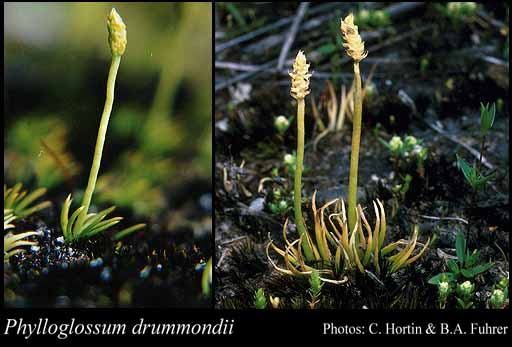
Tuberous, perennial, herb or grass-like or (fern ally), 0.01-0.06 m high, sporophylls clustered in solitary strobilus on fleshy peduncle, leaves fleshy. Fl. Jul to Oct. Grey to black sands or brown loam over granite. Coastal plain and granitic outcrops.
Distribution
- IBRA Regions
- Avon Wheatbelt, Esperance Plains, Geraldton Sandplains, Jarrah Forest, Mallee, Swan Coastal Plain, Warren.
- IBRA Subregions
- Eastern Mallee, Fitzgerald, Katanning, Lesueur Sandplain, Northern Jarrah Forest, Perth, Recherche, Southern Jarrah Forest, Warren.
- Local Government Areas (LGAs)
- Albany, Armadale, Augusta Margaret River, Bridgetown-Greenbushes, Busselton, Canning, Chittering, Cockburn, Cuballing, Dandaragan, Denmark, Esperance, Gosnells, Harvey, Manjimup, Mundaring, Nannup, Plantagenet, Serpentine-Jarrahdale.