- Reference
- Rep.Pl.Babbage's Exped. 12 (1859)
- Conservation Code
- Not threatened
- Naturalised Status
- Native to Western Australia
- Name Status
- Current
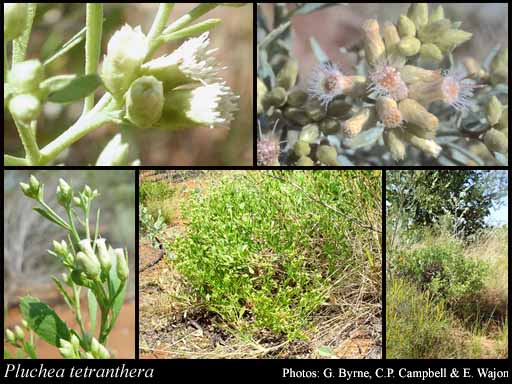
Rounded or spreading, aromatic perennial, herb or shrub, 0.25-1.2 m high, leaves dentate, linear-lanceolate to obovate. Fl. white-pink-purple, Jul to Dec. Red sand or clay, alluvium. Sandplains, sand dunes, claypans, dry creek beds, limestone hills.
Distribution
- IBRA Regions
- Carnarvon, Central Kimberley, Dampierland, Gibson Desert, Great Sandy Desert, Little Sandy Desert, Northern Kimberley, Ord Victoria Plain, Pilbara, Tanami.
- IBRA Subregions
- Chichester, Fitzroy Trough, Fortescue, Hamersley, Lateritic Plain, Mackay, McLarty, Mitchell, Pentecost, Pindanland, Roebourne, Rudall, South Kimberley Interzone, Tanami Desert, Wooramel.
- IMCRA Regions
- Pilbara (nearshore).
- Local Government Areas (LGAs)
- Ashburton, Broome, Carnarvon, Derby-West Kimberley, East Pilbara, Halls Creek, Karratha, Ngaanyatjarraku, Port Hedland.